
Overview
- Organic social media for rehab centers focuses on building trust, community, and long-term brand awareness rather than immediate admissions or conversions.
- Paid social media allows centers to reach people at critical moments with targeted messaging, but comes with compliance restrictions and ethical considerations.
- Success metrics differ: organic efforts are measured through engagement and trust signals, while paid campaigns are measured through direct conversions and lead generation.
- Budget and market competition heavily influence strategy—smaller budgets favor organic growth, while competitive markets often require paid advertising for visibility.
- The most effective approach combines both strategies, using organic content to refine messaging and paid campaigns to scale reach and drive admissions.
In this guide, we’ll break down exactly when to use organic versus paid social media for your rehab center, what each approach can realistically achieve, and how to make the decision that’s right for your treatment center’s goals and budget.
Understanding Your Social Media Options for Drug Rehab Marketing
Social media marketing for addiction treatment centers operates differently than other industries. You’re not selling a product—you’re offering hope, healing, and sometimes life-saving intervention. This reality shapes every decision you make about your drug rehab branding strategy.
Organic social media refers to the free content you post on your profiles—educational posts, success stories, behind-the-scenes content, and community engagement. It’s the foundation of trust-building in addiction treatment website marketing. When someone is considering treatment, they often spend weeks or months researching options, reading testimonials, and getting a feel for your center’s approach and values.
Paid social media involves sponsored posts, targeted ads, and promoted content that appears in users’ feeds based on specific demographics, interests, or behaviors. For drug rehab centers, this can mean reaching people who are actively searching for treatment options or showing content to family members who might be researching help for a loved one.
Why It Matters: The choice between organic and paid isn’t just about budget—it’s about timing and trust. Someone in active addiction might need immediate intervention through paid ads, while someone in early recovery might benefit more from ongoing organic content that supports their journey.
The key difference lies in control and timing. Organic content builds long-term relationships and establishes your treatment center as a trusted authority. Paid content can interrupt someone’s crisis moment with exactly the help they need, but it requires careful messaging to avoid seeming exploitative.
Both approaches require understanding the unique challenges of treatment center branding. You’re marketing to people in vulnerable states, often dealing with stigma, and frequently researching on behalf of someone else. Your drug rehab website design and social media presence need to reflect this sensitivity while still being discoverable and compelling.
Organic Social Media for Addiction Treatment Centers
Organic social media forms the backbone of authentic drug rehab branding. It’s where you build the trust that makes someone comfortable enough to pick up the phone and call your treatment center. Unlike other industries where organic reach might be declining, healthcare and addiction treatment content often performs well organically because people actively seek out this information.
Building Trust Through Consistent Content
The foundation of organic social media for rehab centers is educational content that demonstrates your expertise without being salesy. This might include posts about the science of addiction, explanations of different therapy approaches, or content that helps families understand what their loved ones are going through.
Content that works particularly well organically includes:
- Educational posts about addiction science: Breaking down complex topics like how addiction affects the brain, what withdrawal looks like, or how different substances create dependency
- Treatment approach explanations: Detailed posts about your specific methodologies, from cognitive behavioral therapy to holistic approaches
- Success story highlights: Carefully anonymized stories (with proper consent) that show real outcomes without violating privacy
- Staff spotlights: Introducing your team builds personal connections and shows the human side of your treatment center
- Family education content: Posts that help family members understand addiction and recovery, since they’re often the ones researching treatment options
The Power of Community Building
Organic social media excels at creating communities around your treatment center brand. This might mean engaging with comments thoughtfully, sharing user-generated content (when appropriate), and participating in broader conversations about addiction and recovery.
Pro Tip: Consistency matters more than perfection in organic social media. Posting three times a week consistently will outperform sporadic bursts of daily posts followed by weeks of silence.
Community building also means being present during conversations that matter to your audience. This could involve participating in Mental Health Awareness Month, National Recovery Month, or responding to current events that affect the addiction treatment community.
Content Calendar Strategy for Treatment Centers
A well-planned content calendar ensures you’re covering all aspects of addiction treatment while maintaining sensitivity to your audience’s needs. Your calendar should balance educational content, community building, and subtle calls-to-action.
Monthly themes that work well for addiction treatment centers:
- Week 1: Education and awareness content
- Week 2: Treatment approaches and methodologies
- Week 3: Family and loved one resources
- Week 4: Recovery and aftercare support
This structure ensures you’re consistently providing value while avoiding the appearance of constantly pushing for admissions.
Measuring Organic Success
Unlike paid advertising where you can track direct conversions, organic social media success for treatment centers often looks different. You’re measuring trust-building and brand awareness rather than immediate admissions.
Key metrics for organic social media include engagement rates (particularly meaningful comments and shares), follower growth among your target demographics, and branded search increases. You might also track how often your organic social content gets referenced in initial phone calls or intake conversations.

Paid Social Media Advertising for Rehab Centers
Paid social media advertising for addiction treatment centers operates under unique constraints and opportunities. While you can reach people at critical moments when they’re actively seeking help, you must navigate platform restrictions, compliance requirements, and the ethical considerations of advertising to vulnerable populations.
Platform Restrictions and Compliance
Most social media platforms have specific policies around addiction treatment advertising. Facebook and Instagram, for example, have detailed requirements for addiction treatment ads, including restrictions on targeting people based on health conditions and requirements for proper licensing verification.
Key compliance considerations include:
- Platform-specific policies: Each platform has different rules about addiction treatment advertising
- State licensing requirements: Your ads must comply with regulations in every state where they appear
- Truthful advertising standards: All claims about treatment outcomes must be substantiated and realistic
- Privacy considerations: Targeting must respect user privacy and avoid discriminatory practices
Before launching any paid campaigns, you need to verify your treatment center’s credentials with each platform and ensure your ad account is properly configured for healthcare advertising.
Targeting Strategies That Work
Effective targeting for addiction treatment advertising focuses on intent and context rather than personal health information. This means targeting people who are actively researching treatment options, reading addiction-related content, or engaging with recovery communities online.
Effective targeting approaches include:
- Interest-based targeting: People who follow addiction recovery pages, mental health advocacy groups, or related educational content
- Behavioral targeting: Users who have visited addiction treatment websites or engaged with recovery-related content
- Geographic targeting: Focusing on specific regions where your treatment center is licensed to operate
- Lookalike audiences: Based on website visitors or past successful admissions (when data allows)
Key Insight: The most effective addiction treatment ads often target family members and loved ones rather than people with active addictions. Family members are more likely to be in a position to research options and make decisions about treatment.
Ad Creative That Converts
Successful addiction treatment advertising balances urgency with empathy. Your ad creative needs to acknowledge the crisis while offering hope and practical next steps. This is where your drug rehab branding becomes crucial—your ads need to reflect the same values and approach as your organic content.
High-performing ad creative elements:
- Clear, compassionate headlines that acknowledge the difficulty of seeking treatment
- Specific treatment approaches mentioned in ad copy to attract people looking for particular methodologies
- Strong calls-to-action that remove barriers, such as “Free confidential assessment” or “Speak with a specialist now”
- Visual content that shows your facility and staff in a professional, welcoming context
- Testimonial-style content (when compliant with platform policies and privacy requirements)
Budget Allocation and Timing
Paid social media for addiction treatment often requires different budget strategies than other industries. You might see higher costs per click due to the competitive nature of treatment keywords, but the lifetime value of each admission typically justifies these costs.
Budget considerations include:
- Seasonal patterns: Many treatment centers see increased demand during certain times of year, such as after holidays or during back-to-school periods
- Crisis response capability: Maintaining budget for rapid response during community crises or news events that might drive treatment-seeking behavior
- Platform diversification: Spreading budget across multiple platforms to maximize reach while testing effectiveness
The key is maintaining consistent presence while being able to scale up quickly when opportunities arise or community needs increase.
Comparison of Organic vs Paid Social Media Approaches
Understanding when to use organic versus paid social media for your addiction treatment center requires looking at several key factors: timeline, budget, goals, and audience readiness. Each approach serves different purposes in your overall drug rehab marketing strategy.
Detailed Comparison Analysis
| Factor | Organic Social Media | Paid Social Media |
|---|---|---|
| Timeline | Long-term relationship building (3-12 months to see significant results) | Immediate reach and quick results (can generate leads within days) |
| Cost Structure | Time-intensive but low direct costs | Higher direct costs but potentially faster ROI |
| Audience Targeting | Broad community building with followers and their networks | Precise targeting based on demographics, interests, and behaviors |
| Content Longevity | Posts remain visible and continue generating engagement over time | Ad content has limited lifespan based on campaign duration |
| Trust Building | Excellent for establishing long-term credibility and expertise | Requires existing trust or very careful messaging to avoid skepticism |
| Compliance Complexity | Fewer restrictions, more freedom in content approach | Strict platform policies and advertising regulations |
This comparison shows that organic and paid social media aren’t competing approaches—they’re complementary strategies that work best when used together strategically.
When Organic Social Media Excels
Organic social media is particularly powerful for addiction treatment centers in several scenarios. If you’re a newer treatment center looking to establish credibility in your community, organic content allows you to demonstrate expertise and build relationships without the skepticism that sometimes accompanies advertising.
Organic social media works best when:
- Building long-term brand recognition in your service area
- Educating your community about addiction, treatment options, and recovery resources
- Supporting current clients and alumni with ongoing recovery content and community connection
- Establishing thought leadership through expert content and participation in industry conversations
- Working with limited advertising budgets while still maintaining social media presence
As social media continues to evolve, it’s crucial for professionals to understand the legal implications surrounding digital communications and transactions. This is particularly true for those who may need to verify documents or signatures online.
The educational aspect of organic content is particularly valuable in addiction treatment marketing. Many people don’t understand the difference between detox, residential treatment, outpatient programs, and aftercare. Organic content lets you educate your audience thoroughly, which often leads to better-qualified inquiries when people do reach out.
When Paid Social Media Delivers Better Results
Paid social media becomes essential when you need to reach people who aren’t already following you or when timing is critical. If someone is in crisis and actively seeking treatment, they might not have time to follow your page and consume months of organic content.
Paid social media is most effective for:
- Reaching people in active crisis who need immediate intervention
- Targeting specific demographics such as family members of people with addiction
- Promoting time-sensitive programs like new treatment tracks or limited-capacity programs
- Expanding beyond your organic reach to find people who need treatment but aren’t actively seeking it
- Competing with other treatment centers in crowded markets where organic reach alone isn’t sufficient
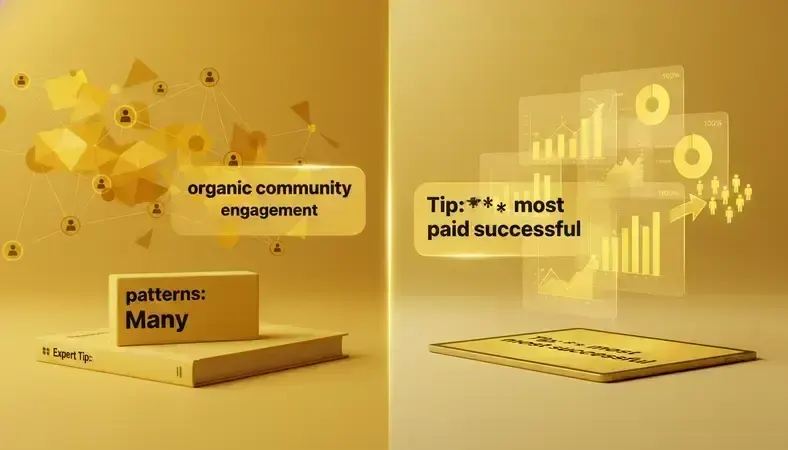
Expert Tip: The most successful addiction treatment centers use paid advertising to drive initial awareness and organic content to nurture relationships. Someone might first discover your center through a paid ad, then spend weeks engaging with your organic content before making contact.
Pros and Cons of Each Approach
Every addiction treatment center needs to understand the realistic advantages and limitations of both organic and paid social media. Your drug rehab branding strategy should account for these factors when allocating resources and setting expectations.
Organic Social Media: Advantages and Limitations
Advantages of organic social media for treatment centers:
- Cost-effective long-term strategy: Once you create content, it continues working without additional ad spend
- Builds authentic relationships: People can get to know your staff, approach, and values over time
- Establishes expertise: Regular educational content positions your center as a trusted authority
- Supports SEO efforts: Social media activity can indirectly boost your addiction treatment website’s search rankings
- Creates community: Followers can engage with each other, creating a supportive environment around your brand
- Flexible content approach: Fewer restrictions on content type and messaging compared to paid ads
Limitations of organic social media:
- Limited reach: Platform algorithms restrict how many people see your posts, even among followers
- Slow results: Building meaningful organic reach takes months or years of consistent effort
- Time-intensive: Creating quality content regularly requires significant staff time and expertise
- Difficult to measure ROI: Hard to directly connect organic social media activity to admissions
- Algorithm dependency: Changes to platform algorithms can dramatically reduce your content’s visibility
- Requires ongoing commitment: Inconsistent posting can quickly erode the relationships you’ve built
Key Takeaway: Organic social media is like planting a garden—it requires patience, consistent care, and time to mature, but the results can be substantial and long-lasting.
Paid Social Media: Advantages and Limitations
Advantages of paid social media for treatment centers:
- Immediate reach: Your content can be seen by thousands of people within hours of launching a campaign
- Precise targeting: Reach specific demographics, geographic areas, or interest groups most likely to need your services
- Measurable results: Clear metrics on cost per click, conversion rates, and return on ad spend
- Scalable quickly: Increase or decrease spending based on results and seasonal demand
- Crisis response capability: Quickly reach people during community events or news that might drive treatment-seeking
- Competitive advantage: Appear in front of people who might otherwise only see competitors’ content
Limitations of paid social media:
- Higher costs: Direct advertising costs plus the potential need for specialized staff or agencies
- Platform restrictions: Strict policies around addiction treatment advertising limit targeting and messaging options
- Requires ongoing investment: Results stop when you stop spending, unlike organic content that continues working
- Trust barriers: Some people are skeptical of addiction treatment advertising, viewing it as exploitative
- Compliance complexity: Must navigate federal, state, and platform-specific regulations
- Competition: High demand for addiction treatment keywords can drive up costs
The key insight is that paid social media offers speed and precision, while organic social media offers sustainability and authenticity. Most successful treatment centers need both, but the balance depends on their specific situation and goals.
Decision Framework: Choosing the Right Approach
Selecting between organic and paid social media for your addiction treatment center isn’t an either-or decision, but understanding when to emphasize each approach can help you allocate resources effectively. Your choice should align with your treatment center’s stage, goals, and available resources.
Assessing Your Treatment Center’s Readiness
Before diving into either organic or paid social media, evaluate your foundation. Your drug rehab website design, staff capacity, and compliance infrastructure all affect which approach will be most successful.
Questions to assess your readiness:
- Do you have dedicated staff time for creating and managing social media content consistently?
- Is your website optimized to convert social media traffic into phone calls or contact form submissions?
- Are your licensing and credentials properly documented for platform verification requirements?
- Do you have systems in place to respond quickly to social media inquiries, especially from paid advertising?
- Is your brand messaging consistent across all platforms and marketing materials?
If you’re missing key foundational elements, starting with organic social media while you build these systems often makes more sense than jumping into paid advertising.
Budget-Based Decision Making
Your available budget significantly influences which approach makes sense initially, though both require investment in different forms.
For limited budgets (under $2,000/month for all marketing):
Focus primarily on organic social media with small paid advertising tests. Invest most of your resources in creating quality content and building organic reach, while testing small paid campaigns to understand what messaging and targeting work for your center.
For moderate budgets ($2,000-$10,000/month):
Implement a balanced approach with 60-70% of effort on organic content and 30-40% on strategic paid advertising. This allows you to build long-term brand strength while capturing immediate opportunities.
For larger budgets (over $10,000/month):
Deploy comprehensive strategies using both approaches strategically. Use paid advertising for immediate lead generation and organic content for long-term brand building and community engagement.
Pro Tip: Many successful treatment centers start with organic social media to understand their audience and refine their messaging, then use those insights to create more effective paid advertising campaigns.
Geographic and Competitive Considerations
Your location and competitive landscape also influence the best approach. Treatment centers in highly competitive markets like Los Angeles or South Florida face different challenges than those in smaller communities.
In competitive markets:
Paid advertising becomes more important for visibility, but costs are typically higher. Strong organic content helps differentiate your center from competitors who may be focusing primarily on paid advertising.
In smaller markets:
Organic social media often provides better ROI initially, as there’s less competition for attention. Paid advertising can be very effective for reaching people in surrounding areas who might travel for treatment.
For specialized treatment approaches:
If your center offers unique treatment modalities or serves specific populations, organic content excels at educating your audience about these differences. Paid advertising can help you find people specifically looking for your type of treatment.
Timeline Expectations and Goal Alignment
Different goals require different approaches and timelines. Understanding what you’re trying to achieve helps determine where to focus your efforts.
Immediate goals (1-3 months):
If you need to generate admissions quickly, paid advertising is typically necessary. However, you should also begin organic content creation to support longer-term goals.
Medium-term goals (3-12 months):
A balanced approach works best, with organic content building your reputation while paid advertising captures immediate opportunities. This timeline allows you to optimize both approaches based on results.
Long-term goals (12+ months):
Organic social media becomes increasingly important for sustainable growth. While paid advertising continues to play a role, a strong organic presence provides the foundation for all other marketing efforts.

Best Practices for Implementation
Successfully implementing social media marketing for your addiction treatment center requires attention to both strategy and execution details. Whether you’re focusing on organic content, paid advertising, or both, certain best practices can significantly improve your results while ensuring compliance and maintaining trust.
Content Strategy Fundamentals
Your content strategy should reflect your treatment center’s values while providing genuine value to your audience. This means going beyond promotional posts to create content that educates, supports, and builds community around recovery.
Essential content pillars for treatment centers:
- Educational content: Explaining addiction science, treatment approaches, and recovery concepts in accessible language
- Support resources: Practical information for people in recovery and their families
- Success stories: Appropriately shared stories that inspire hope while respecting privacy
- Staff expertise: Showcasing your team’s qualifications and treatment philosophy
- Community involvement: Demonstrating your center’s role in the broader recovery community
Each piece of content should serve a clear purpose in your overall drug rehab branding strategy. Ask yourself: Does this post educate, inspire, support, or build trust? If it doesn’t clearly serve one of these purposes, reconsider whether it belongs in your content mix.
Compliance and Ethical Guidelines
Social media marketing for addiction treatment requires careful attention to legal and ethical considerations. These guidelines protect both your center and the vulnerable populations you serve.
Key compliance areas include:
- HIPAA compliance: Never share patient information, even with consent, unless you have proper legal documentation
- State licensing requirements: Ensure your social media presence complies with regulations in every state where you’re licensed
- Platform advertising policies: Each social media platform has specific rules for healthcare advertising
- Truthful advertising standards: All treatment outcome claims must be accurate and substantiated
- Privacy protection: Avoid targeting people based on sensitive health information
Why It Matters: Compliance violations can result in platform account suspension, regulatory fines, and damage to your treatment center’s reputation. The stakes are too high to take shortcuts with compliance.
Engagement and Community Management
How you respond to comments, messages, and community interactions significantly impacts your treatment center’s reputation and effectiveness. Your response strategy should prioritize helpfulness while maintaining appropriate boundaries.
Effective community management practices:
- Respond promptly: Aim to respond to comments and messages within a few hours during business hours
- Provide helpful resources: Even if someone isn’t ready for your specific program, offer general resources and support
- Maintain privacy: Never discuss specific treatment details or patient information in public comments
- Stay professional: Maintain your treatment center’s professional tone even when dealing with difficult comments
- Know when to take conversations private: Move detailed discussions about treatment to private messages or phone calls
Remember that your social media interactions are often the first impression people have of your treatment center. Every response should reflect the same care and professionalism they would experience as a client.
Measuring Success and ROI
Tracking the right metrics helps you understand what’s working and where to focus your efforts. For addiction treatment centers, success metrics often look different than other industries because the customer journey is typically longer and more complex.
Key metrics for organic social media:
- Engagement rate: Comments, shares, and meaningful interactions rather than just likes
- Follower growth: Quality of new followers (are they in your target demographic?)
- Content reach: How many people see your posts, especially among your target audience
- Website traffic: Social media referrals to your addiction treatment website
- Brand mention tracking: How often people mention your center in social media conversations
Key metrics for paid social media:
- Cost per click (CPC): How much you pay for each person who clicks your ads
- Conversion rate: Percentage of ad clicks that result in phone calls or contact form submissions
- Cost per acquisition: Total advertising cost divided by number of new admissions attributed to social media
- Return on ad spend (ROAS): Revenue generated compared to advertising investment
- Quality score: Platform ratings of your ad relevance and quality
Expert Tip: Don’t ignore soft metrics like brand awareness and trust-building. Someone might engage with your content for months before making contact, making it difficult to attribute their eventual admission to specific social media activities.
Conclusion
The choice between organic and paid social media for your addiction treatment center isn’t really a choice at all—it’s about finding the right balance for your specific situation, goals, and resources. Organic social media builds the trust and credibility that makes people comfortable reaching out for help, while paid advertising can reach people at critical moments when they need intervention most.
Ready to develop a comprehensive social media strategy for your treatment center? Get started with 12 Steps Marketing to create a plan that builds trust, reaches the right people, and ultimately helps more people find the treatment they need.
Frequently Asked Questions About Rehab Center Social Media Marketing
Understanding the nuances of social media marketing for addiction treatment centers often requires addressing specific concerns and scenarios that treatment center administrators face. These frequently asked questions reflect real challenges in implementing effective drug rehab branding strategies.
Q: How do I handle negative comments or reviews on social media?
Negative comments and reviews are inevitable for any treatment center, and how you handle them can actually strengthen your reputation when done correctly. The key is responding professionally while protecting patient privacy and demonstrating your commitment to quality care.
For general complaints or concerns:
Respond publicly with empathy and professionalism, acknowledging their concerns and inviting them to contact you privately to discuss specifics. Never get defensive or argue in public comments. A response like “We’re sorry to hear about your concerns. Please send us a private message so we can address this directly” shows you take feedback seriously.
For specific treatment-related complaints:
Never discuss any patient details publicly, even if the commenter mentions specific incidents. Respond with something like “We take all feedback seriously and would like to discuss this with you directly. Please contact our patient advocate at [phone number] so we can address your concerns properly.”
For clearly false or malicious content:
Document the content with screenshots, then report it to the platform. Most social media sites have policies against false reviews. You can also respond once, briefly and professionally, then avoid further engagement that might amplify the negative content.
Q: What content restrictions do social media platforms have for addiction treatment?
Each major social media platform has specific policies regarding addiction treatment advertising and content. Understanding these restrictions helps you avoid account suspensions and ensures your content reaches your intended audience.
Facebook and Instagram restrictions include:
– Ads cannot target people based on health conditions or addiction-related interests
– All addiction treatment advertisers must be verified and licensed
– Content cannot make unrealistic promises about treatment outcomes
– Before/after photos of clients are generally prohibited
– Targeting must comply with fair housing and non-discrimination policies
LinkedIn has different standards:
– More permissive for B2B content and professional networking
– Allows targeting healthcare professionals and industry connections
– Still requires truthful advertising and proper licensing verification
TikTok and newer platforms:
– Often have stricter content moderation for health-related topics
– May limit reach of addiction treatment content even when it’s educational
– Policies change frequently, requiring ongoing monitoring
The key is staying informed about policy changes and working with platform representatives when possible to ensure compliance.
Q: How can I measure the ROI of social media marketing for my treatment center?
Measuring ROI for addiction treatment social media requires tracking both direct and indirect conversions, as the patient journey often involves multiple touchpoints over extended periods.
Direct measurement approaches:
Use platform analytics to track website clicks, phone calls generated through social media, and form submissions that can be attributed to specific campaigns. Most platforms offer conversion tracking that can connect social media activity to admissions when properly configured.
Attribution modeling:
Implement systems that track the entire patient journey, from first social media interaction through admission. This might involve asking new clients how they heard about you and tracking multiple touchpoints rather than just the last interaction before contact.
Lifetime value calculations:
Since addiction treatment typically involves higher-value transactions than other industries, even modest conversion rates can generate positive ROI. Calculate the lifetime value of a typical client, including potential readmissions and referrals, to understand the true value of social media-generated leads.
Indirect benefits:
Don’t ignore harder-to-measure benefits like brand awareness, community trust, and referral generation. These often contribute significantly to long-term success even if they’re difficult to attribute directly to social media efforts.
Q: Should I use the same content across all social media platforms?
While it’s tempting to post identical content across all platforms to save time, each social media platform has different audiences, content formats, and engagement patterns that affect performance for addiction treatment centers.
Platform-specific considerations:
Facebook: Works well for longer-form educational content, community building, and detailed program information. Your audience here often includes family members researching treatment options.
Instagram: Visual content performs best, including facility photos, inspirational quotes, and behind-the-scenes content that humanizes your treatment center. Stories and Reels can showcase day-to-day life at your facility.
LinkedIn: Professional content about industry developments, staff credentials, and thought leadership performs well. This platform is excellent for building relationships with referral sources and other healthcare professionals.
TikTok: Educational content that breaks down complex topics into short, engaging videos can work well, though you need to be careful about platform policies regarding health content.
The most effective approach involves creating platform-specific versions of your core content themes rather than identical posts across all channels.
Q: How do I balance transparency with patient privacy in social media content?
Balancing transparency with privacy protection is one of the most critical challenges in addiction treatment social media marketing. You want to show real results and authentic experiences while strictly protecting patient confidentiality.
Safe approaches to sharing success stories:
Use aggregated data rather than individual stories (“90% of our clients complete our program”), create composite stories that combine elements from multiple clients (with legal review), or share stories only from clients who have provided specific written consent and legal documentation.
Facility and program transparency:
Focus on showing your physical space, treatment methodologies, staff qualifications, and program structure rather than individual client experiences. This builds trust while avoiding privacy concerns.
Staff stories and expertise:
Share your team’s professional backgrounds, treatment philosophies, and expert insights on addiction and recovery. This builds credibility without involving client information.
Educational content:
Provide valuable information about addiction science, treatment approaches, and recovery resources. This demonstrates expertise while serving your community’s needs for reliable information.
Q: What’s the best posting frequency for addiction treatment centers?
Posting frequency for addiction treatment centers should balance staying visible with providing quality content. Unlike some industries where daily posting is expected, healthcare content often performs better when it’s less frequent but more substantial.
Recommended posting schedules:
Facebook: 3-5 times per week with a mix of educational content, program information, and community engagement posts.
Instagram: 4-6 times per week, including both feed posts and Stories. The visual nature of Instagram allows for more frequent posting without overwhelming your audience.
LinkedIn: 2-3 times per week, focusing on professional insights, industry news, and thought leadership content.
Consistency matters more than frequency. It’s better to post three times per week consistently than to post daily for two weeks and then disappear for a month. Your audience needs to know they can rely on you for ongoing support and information.
Quality should always take priority over quantity. One well-researched, helpful post will perform better than several rushed, low-value posts.